Fleet telematics data is increasingly being used for insurance underwriting, litigation support, and regulatory compliance. A GPS trace that can be tampered with is worthless in a courtroom. A driver behaviour score that can be manipulated defeats the purpose of insurance telematics entirely.
This is why XENFLEET signs every telemetry packet at the hardware level before it leaves the device.
HOW IT WORKS
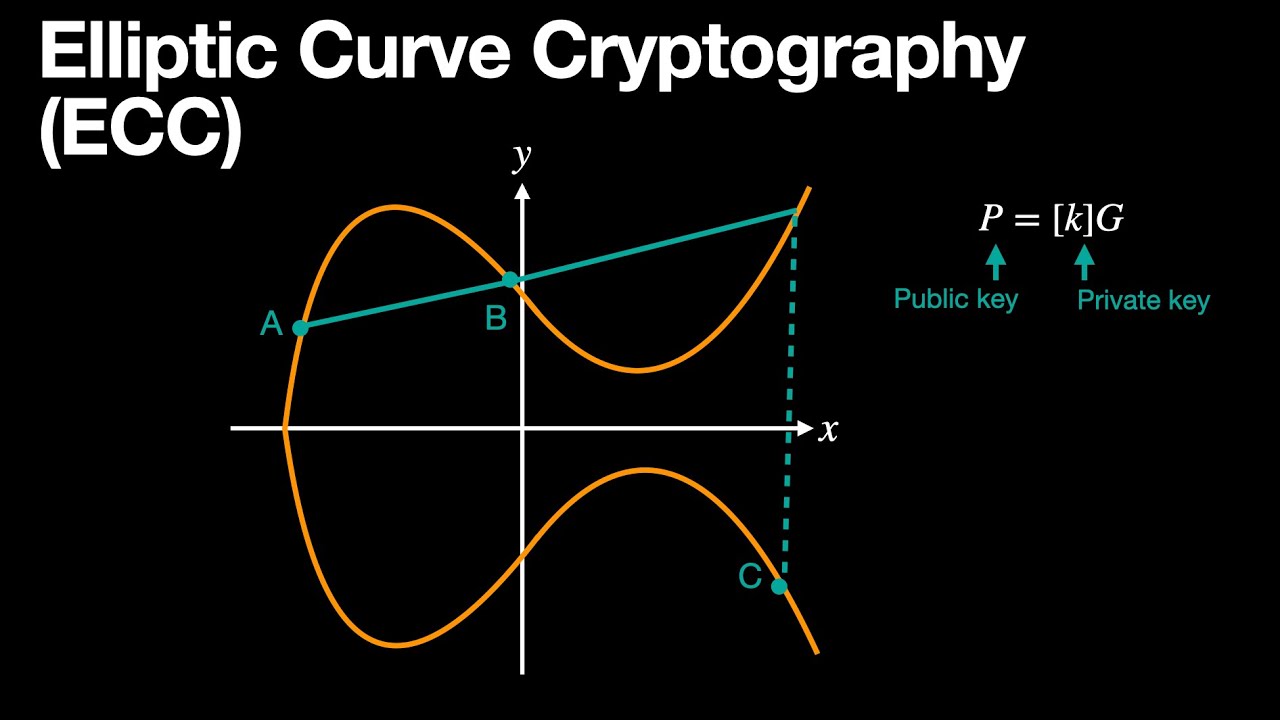
Each XENFLEET unit contains a hardware security module (HSM) that generates and stores an elliptic curve key pair (secp256k1 or secp256r1) during manufacturing. The private key never leaves the HSM — not during firmware updates, not during manufacturing diagnostics.
Every telemetry packet — GPS position, OBD data, accelerometer readings — is signed with this private key before transmission. The fleet cloud platform verifies the signature against the device's registered public key. If the signature doesn't match, the packet is rejected.
WHY secp256k1 SPECIFICALLY
secp256k1 is the curve used by Bitcoin and Ethereum. It has been subjected to more cryptographic scrutiny than almost any other curve in existence. For our automotive use case, the compact signature size (64 bytes) also matters — it adds minimal overhead to high-frequency telemetry streams.
USE CASES OF ECDSA
Web Security: ECDSA provides robust security measures for web traffic, ensuring that the data being transferred between users and servers is safe.
Cryptocurrencies: Many modern digital currencies, like Bitcoin, use ECDSA for their transaction signature algorithms. It allows for secure and verified transactions.
Secure Email: ECDSA can be utilized in digital signatures for emails, making sure the recipient can verify the sender's identity.
Software Authenticity: Software developers can use ECDSA to sign their applications, ensuring users that the software has not been tampered with since its creation.
THE COMPLIANCE ANGLE Several EU member states are moving toward mandating cryptographic provenance for telematics data used in insurance pricing. XENFLEET is already compliant with the emerging standards. For fleet operators, this is a future-proofing decision that costs nothing today but could be the difference between admissible and inadmissible evidence in a dispute.